Packing for a safari isn’t about filling a suitcase, it’s about preparing for changing weather, long game drives, and unforgettable wildlife moments.
If you’re planning a trip across East Africa, understanding what to pack for an African safari becomes even more important when you consider different regions and experiences. For example, if you’re exploring a classic route like our Kenya safari itinerary, you’ll want to pack slightly differently for lakes, savannah, and wildlife reserves
Essential Travel Documents
Before anything else, secure the basics:
- Passport (6+ months validity)
- Visa / ETA
- Travel insurance
- Flight tickets & safari itinerary
- Yellow fever certificate
What to Wear on an African Safari
Packing the right clothing is essential for comfort during game drives.
Neutral tones, breathable fabrics, and layering will work across most safari destinations — whether you’re heading to the Maasai Mara or the Serengeti.
Footwear That Works
Keep it simple and practical:
- Comfortable closed shoes
- Sandals for the lodge
- Optional: hiking shoes
Camera & Safari Gear
Wildlife moments happen fast — being prepared matters.
- Camera with zoom lens
- Extra batteries
- Power bank
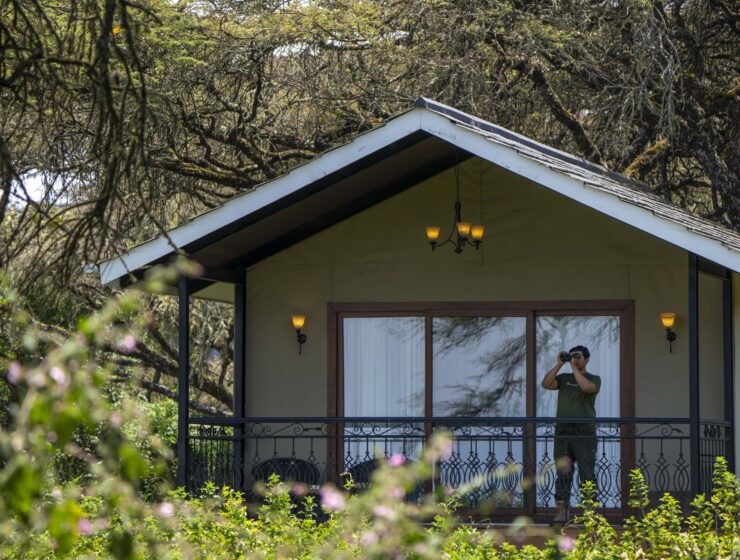
- Binoculars
Health & Personal Essentials
- Sunscreen
- Insect repellent
- Personal medication
Your Safari Daypack
Carry a small bag during game drives:
- Water bottle
- Sunglasses
- Camera gear
- Snacks
Weather Across East Africa
Conditions can shift throughout the day:
- Morning: cool
- Midday: warm
- Evening: cool again
What NOT to Pack
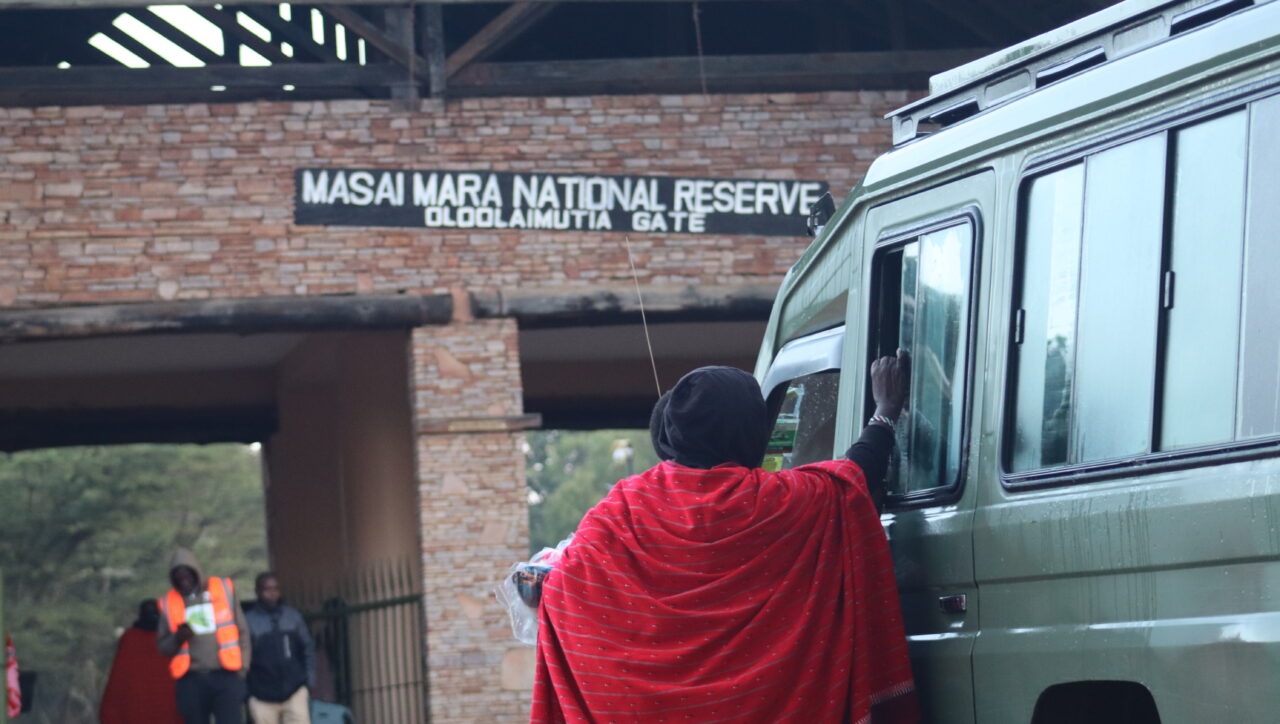
- Plastic bags (banned in Kenya)
- Hard suitcases
- Strong perfumes
- Excess luggage
Practical Packing Tips
- Pack light — lodges often offer laundry
- Use soft duffel bags
- Keep essentials in carry-on
- Prioritize comfort